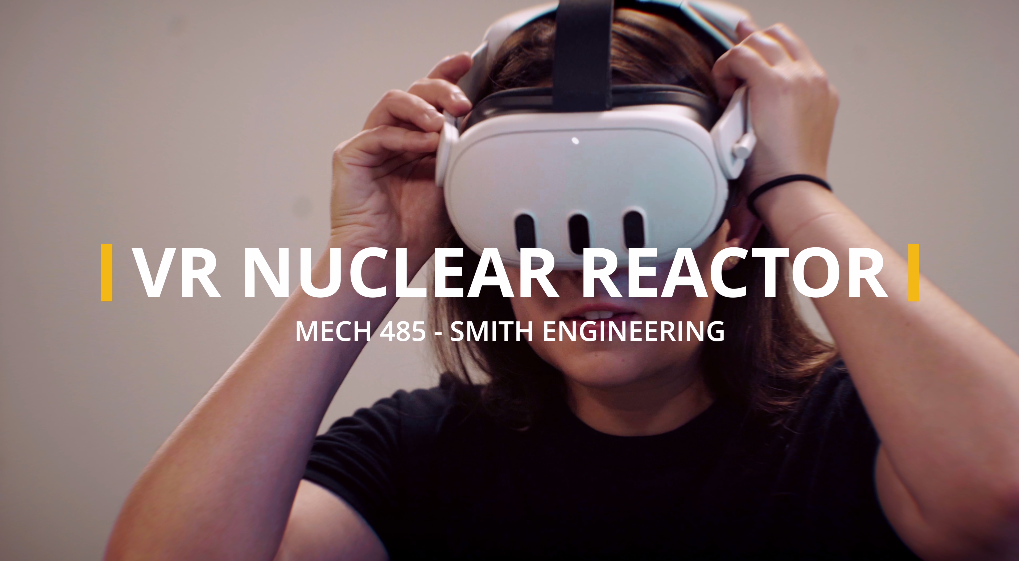
Developing virtual reality assets for engineering education
The goal of this project is to develop, test, and iplement extended reality and virtual reality assets to support new and existing Queen’s University courses.
The goal of this project is to develop, test, and iplement extended reality and virtual reality assets to support new and existing Queen’s University courses.
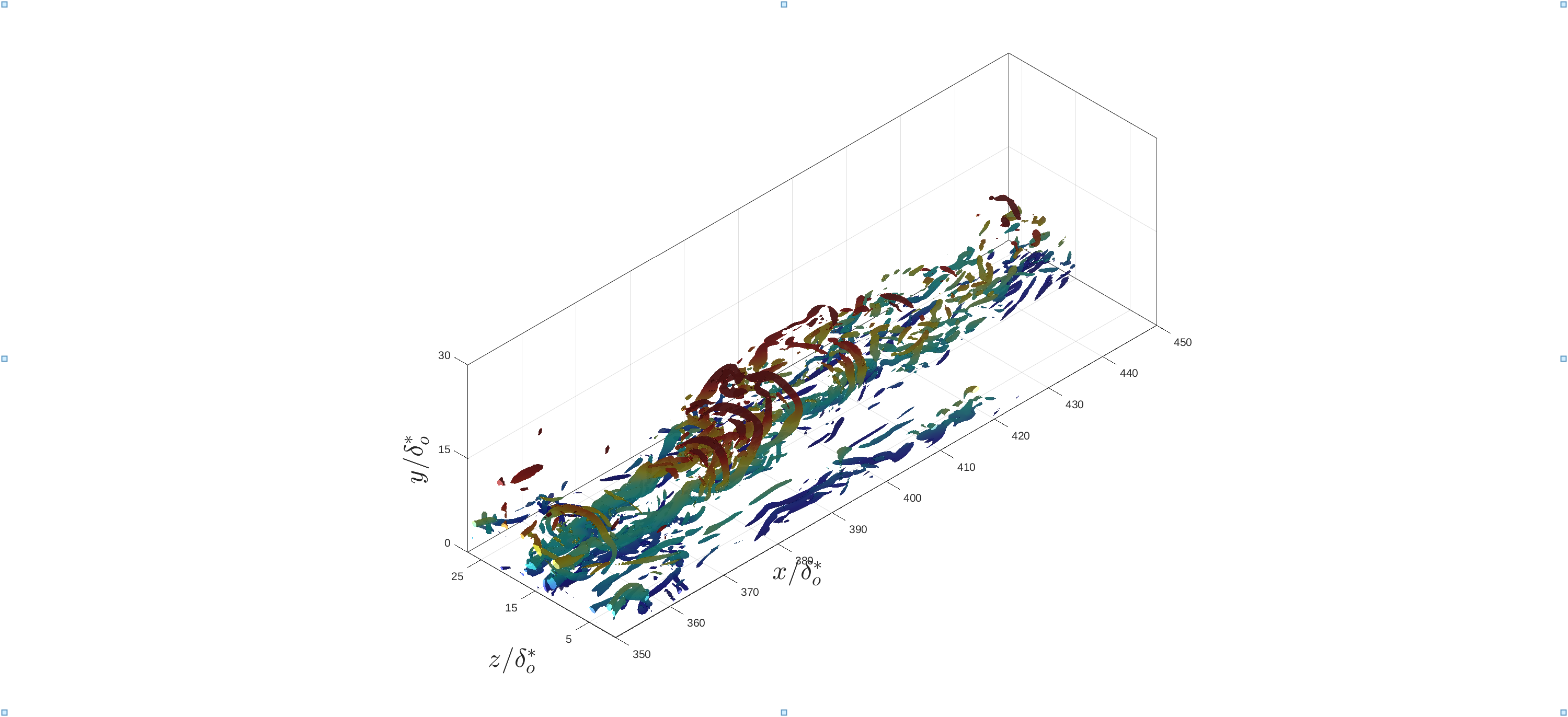
This project has the goal of furthering our understanding of the physics of separated turbulent boundary layers. By leveraging the power of modern flow visualiztion techniques, and by using an extensive dataset of wall-resolved large-eddy simulations of unsteady separated TBLs, we plan on studying large-scale coherent structures.
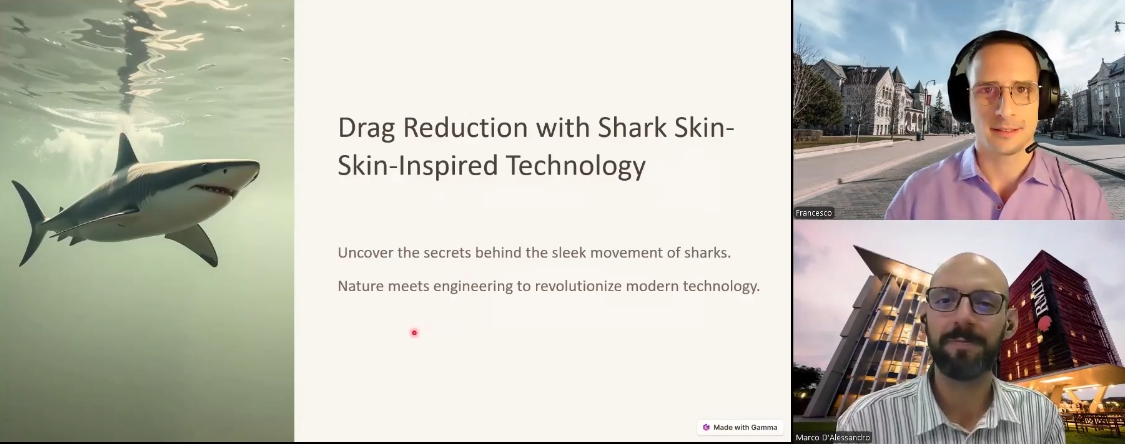
The goal of this project is to methodically study the influence of shark-skin denticles on the physics of spatially-developing separating turbulent boundary layers (TBLs), and extend wall-resolved numerical simulations to an array of denticles mounted on a flat plate TBL with unsteady freestream pressure gradients.
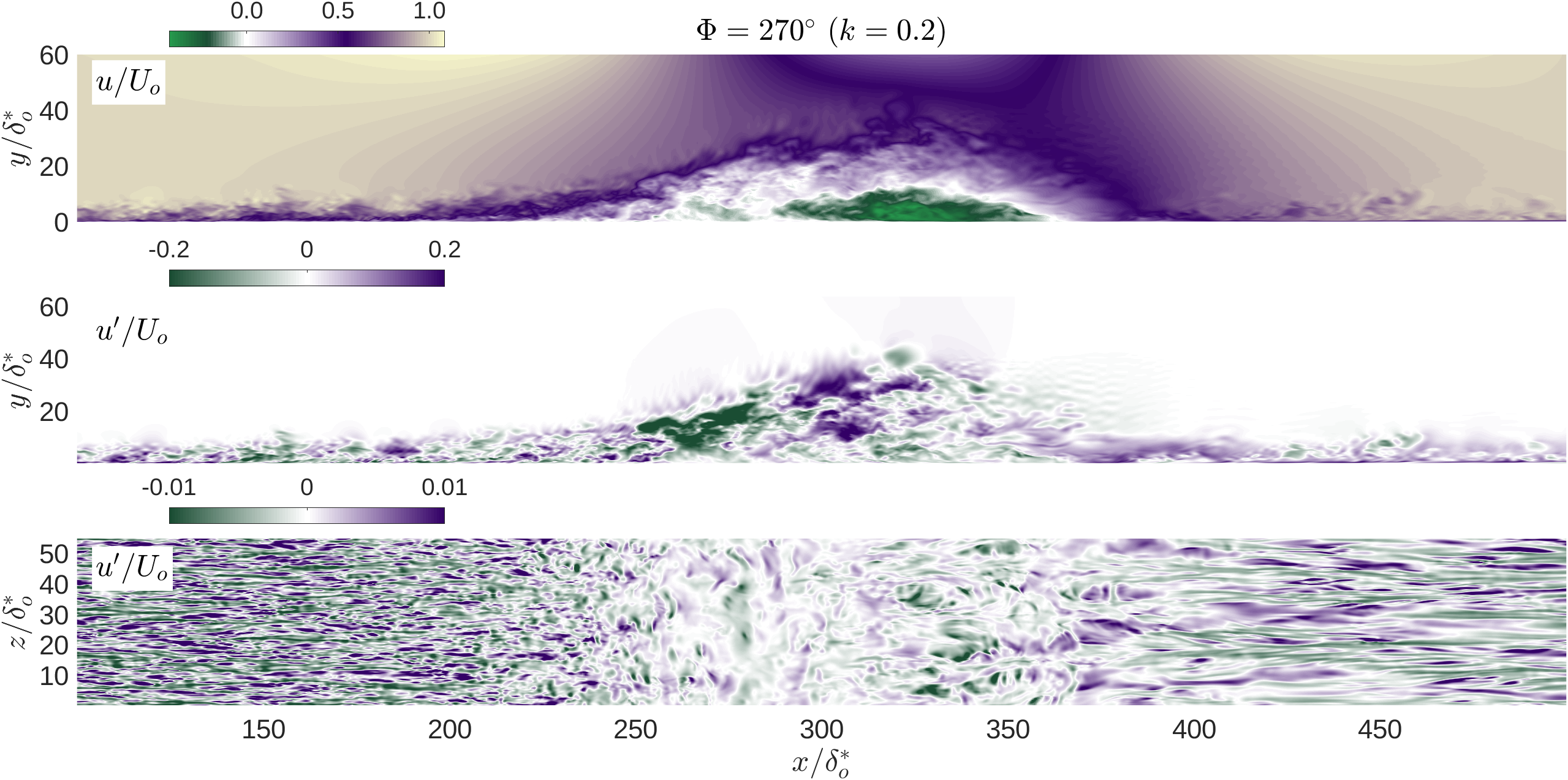
This project has the goal of furthering our understanding of the physics of separated turbulent boundary layers. By imposing a freestream forcing on the boundary layer we isolate the effect of the unsteady pressure gradient on the near-wall physics. This project has potential implications on real world systems such as pitching airfoils, turbine blades, and diffusers.
ARC4CFD is an open-source, hands-on, completely asynchronous course with the objective to bridge the gap between small sclae CFD simulations and large-scale computations on high-performance computing (HPC) systems.